Essential Social Skills Children Learn in Preschool That Help Them Build Confidence and Healthy Relationships
Introduction
Preschool is often a child’s first experience in a structured learning environment outside the home. During this stage, children begin interacting with teachers and other children on a regular basis. These interactions help them learn important social skills that support their emotional and personal development.
Social skills are essential for building relationships, communicating with others, and adapting to new environments. Preschool provides children with the opportunity to learn these skills through group activities, play, and everyday interactions.
When children develop strong social skills early in life, they are better prepared for school, friendships, and future success.
Why Social Skills Are Important for Young Children
Social skills help children understand how to behave in different situations and how to interact respectfully with others. These skills are important for creating healthy relationships and building confidence.
In preschool, children learn how to cooperate, communicate, and express their feelings in positive ways. These early experiences help them become more comfortable in social environments and prepare them for future learning.
Children who develop good social skills are more likely to succeed academically and emotionally as they grow older.
Sharing and Taking Turns
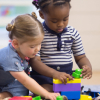
One of the first social skills children learn in preschool is sharing. In group activities, children must share toys, materials, and space with others.
Teachers guide children to understand the importance of taking turns and being patient. Learning to share helps children develop kindness and respect for others.
These experiences teach children that cooperation leads to positive outcomes.
Communication Skills
Preschool encourages children to communicate their thoughts, feelings, and ideas. Through conversations, storytelling, and group discussions, children learn how to express themselves clearly.
They also learn how to listen to others and respond appropriately. These communication skills are essential for building friendships and understanding different perspectives.
Strong communication skills help children feel confident when interacting with others.
Teamwork and Cooperation
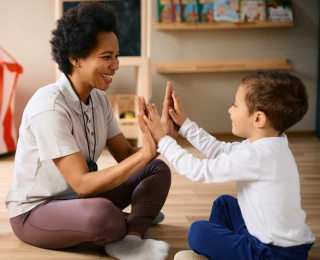
Many preschool activities involve teamwork. Children work together in group games, art projects, and classroom activities.
These experiences help children learn how to cooperate and support each other. They begin to understand the value of working together toward a common goal.
Teamwork also teaches children patience and respect for others’ ideas.
Understanding Emotions
Preschool helps children recognize and understand emotions, both their own and those of others.
Teachers guide children to express their feelings in healthy ways and help them understand emotions like happiness, sadness, frustration, and excitement.
Learning emotional awareness helps children develop empathy and build stronger relationships with others.
Building Friendships
Preschool is often where children form their first friendships. Through daily interactions and shared activities, children learn how to connect with others.
They learn how to invite others to play, resolve small disagreements, and support their friends.
These early friendships help children feel a sense of belonging and confidence in social settings.
Respect and Good Behavior
In preschool, children are taught basic manners and respectful behavior. They learn to say “please” and “thank you,” follow classroom rules, and respect personal space.
Teachers encourage positive behavior and guide children when conflicts arise. These lessons help children understand how to behave responsibly in social environments.
Learning respect and discipline early helps children succeed in school and everyday life.
Conclusion
Preschool plays an important role in helping children develop strong social skills. Through play, communication, and group activities, children learn how to interact with others in positive ways.
Skills such as sharing, teamwork, communication, and emotional understanding help children build confidence and form meaningful relationships.
These early social experiences prepare children for school and help them grow into responsible, empathetic, and confident individuals.
FAQs
Why are social skills important for preschool children?
Social skills help children build friendships, communicate effectively, and adapt to group environments such as school.
What social skills do children learn in preschool?
Children learn sharing, cooperation, communication, empathy, teamwork, and emotional understanding.
How do teachers help children develop social skills?
Teachers guide children through group activities, encourage communication, and help them resolve conflicts in positive ways.
Can preschool help shy children improve social skills?
Yes, preschool provides a supportive environment where shy children gradually become comfortable interacting with others.
How can parents support social skill development at home?
Parents can encourage children to play with others, practice good manners, communicate openly, and teach them how to express their feelings.
#PreschoolLearning
#SocialSkillsForKids
#EarlyChildhoodEducation
#KidsDevelopment
#ChildDevelopment
#PreschoolEducation
#LearningThroughPlay
#KidsEducation
#SmartKids
#EarlyLearning
#ParentingTips
#KidsGrowth
#ChildSocialSkills
#QualityEducation
#HappyKids


Comments are closed