How Playpens Aid Early Childhood Development
Here’s Article 6: “How Playpens Aid Early Childhood Development”, fully written ~600 words with 5 headings and hashtags.
How Playpens Aid Early Childhood Development
1. Developmental Benefits of Safe Play Spaces
A playpen isn’t just a containment tool—it’s an environment that supports healthy growth. Safe, enclosed spaces allow infants and toddlers to explore without constant risk of injury. By having a dedicated area for movement and play, children gain confidence and learn spatial awareness. Playpens give parents peace of mind, allowing children to develop independence while remaining secure.
2. Cognitive Growth Through Independent Play
Independent play in a playpen stimulates cognitive development. Babies can experiment with stacking toys, sorting objects, or engaging with sensory materials. These activities teach problem-solving, cause-and-effect understanding, and early learning concepts such as colors, shapes, and textures. By allowing children to explore on their own, parents foster curiosity and self-directed learning.
3. Motor Skill Development Inside a Playpen
Playpens provide a safe area for toddlers to strengthen gross and fine motor skills. Crawling, rolling, sitting up, and reaching for toys all contribute to muscle development and coordination. Activity panels or hanging toys encourage grasping, pulling, and spinning movements, which refine hand-eye coordination. A well-equipped playpen helps children practice essential skills in a controlled environment.
4. Social Play Ideas Parents Can Try
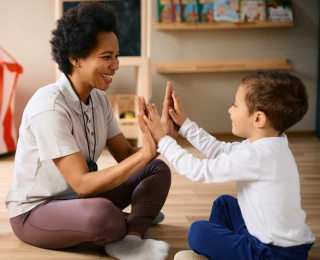
Though playpens are often used for solo play, they can also support social development. Parents or older siblings can interact with the child through games, peek-a-boo, or reading sessions. Sharing toys inside the playpen encourages early social skills like turn-taking, empathy, and communication. Structured interactive play strengthens bonds while promoting emotional development.
5. Balancing Supervised & Independent Play
Playpens teach children the balance between supervised and independent play. While it’s important to engage with your child, allowing them to explore safely on their own fosters self-confidence and problem-solving. Using a playpen for short periods encourages autonomy, letting children learn limits, boundaries, and focus skills. Rotating toys and activities ensures continued stimulation and prevents boredom.
By creating a structured yet flexible environment, playpens contribute to holistic development—physical, cognitive, and social. Parents who combine safe play, interaction, and independent exploration provide a foundation for long-term learning and well-being. A thoughtfully set-up playpen is more than a containment area; it’s a tool that actively supports your child’s growth.
Hashtags:
#ChildDevelopment #EarlyLearning #PlaytimeBenefits #ToddlerGrowth #ParentingTips #KidsPlay #PlaypenLearning #ParentingGoals #ToddlerDevelopment #SafePlay #LearningThroughPlay #ParentingLife